International Conference on Clean Energy and Energy Markets - (ICCEEM-27)


2nd - 3rd February, 2027 | Oruro, Bolivia

Multi-format (In-person/Virtual)

Registration Options

Explore conference registration categories designed for every mode of participation.
Important Dates

Pre-registration Deadline

3rd January, 2027

Paper Submission Deadline

8th January, 2027

Last Date Of Registration

18th January, 2027

Date Of Conference

2nd - 3rd February, 2027

Downloads

Conference Session Tracks

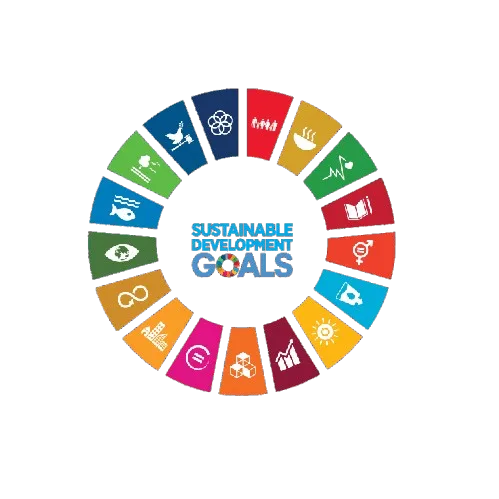
SDG Wheel

Aligned with

UN Sustainable Development Goals

This conference contributes to global sustainability by aligning its research discussions and academic sessions with key United Nations Sustainable Development Goals. It fosters knowledge exchange, innovation, and collaborative engagement.

SDG 7 SDG 7 — Affordable and Clean Energy
SDG 8 SDG 8 — Decent Work and Economic Growth
SDG 9 SDG 9 — Industry, Innovation and Infrastructure
SDG 11 SDG 11 — Sustainable Cities and Communities
SDG 12 SDG 12 — Responsible Consumption and Production
SDG 13 SDG 13 — Climate Action
SDG 16 SDG 16 — Peace, Justice and Strong Institutions
SDG 17 SDG 17 — Partnerships for the Goals
Explore

All Session Tracks

Track 01
Carbon Trading Mechanisms

This track explores the various frameworks and methodologies of carbon trading, focusing on their effectiveness in reducing greenhouse gas emissions. Participants will discuss the implications of carbon pricing on energy markets and economic growth.

Track 02
Climate Change and Energy Policy

This session addresses the intersection of climate change and energy policy, analyzing how regulatory frameworks can promote clean energy technologies. The discussions will include the role of government in facilitating sustainable energy transitions.

Track 03
Innovations in Clean Energy Technologies

This track highlights the latest advancements in clean energy technologies and their potential impact on energy markets. Presentations will cover emerging solutions and their economic viability in combating climate change.

Track 04
Design and Regulation of Energy Markets

This session focuses on the design and regulatory frameworks of energy markets, examining their effectiveness in promoting competition and sustainability. Participants will analyze case studies from various regions to identify best practices.

Track 05
Distributed Generation and Its Economic Implications

This track investigates the rise of distributed generation systems and their implications for energy economics. Discussions will include the challenges and opportunities presented by decentralized energy production.

Track 06
Energy Prices and Market Uncertainties

This session delves into the factors influencing energy prices and the uncertainties that affect market stability. Participants will explore strategies for mitigating risks associated with price volatility.

Track 07
Sustainable Development and Energy Demand

This track examines the relationship between energy demand and sustainable development goals. Discussions will focus on how energy policies can support economic growth while ensuring environmental sustainability.

Track 08
Geopolitics of Oil and Natural Gas

This session analyzes the geopolitical factors influencing oil and natural gas markets, including supply chain dynamics and international relations. Participants will discuss the implications for energy security and market stability.

Track 09
Greenhouse Gas Abatement Strategies

This track focuses on the costs and potentials of various greenhouse gas abatement strategies within the energy sector. Presentations will cover innovative approaches to reducing emissions and their economic impacts.

Track 10
Investment Challenges in Liberalized Energy Markets

This session addresses the investment challenges faced in liberalized energy markets, including risk assessment and capital allocation. Participants will explore strategies for attracting investment in clean energy initiatives.

Track 11
Integration of Intermittent Power Sources

This track discusses the challenges and solutions related to the integration of intermittent power sources into existing energy grids. Participants will examine technological advancements and policy measures that facilitate this integration.