World Congress on Pollution Control - (WCPC-26)


11th - 12th November, 2026 | Bhairab Bazar, Bangladesh

Multi-format (In-person/Virtual)

Registration Options

Explore conference registration categories designed for every mode of participation.
Important Dates

Pre-registration Deadline

12th October, 2026

Paper Submission Deadline

17th October, 2026

Last Date Of Registration

27th October, 2026

Date Of Conference

11th - 12th November, 2026

Downloads

Conference Session Tracks

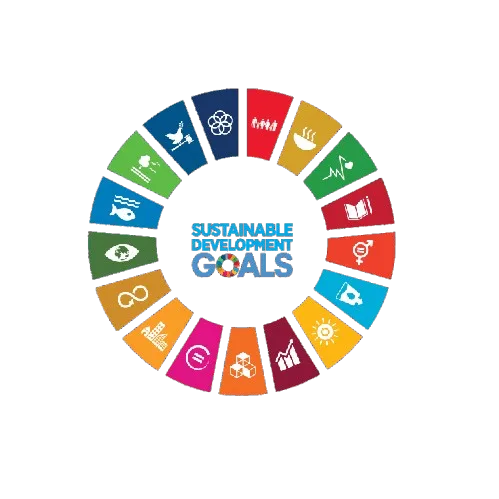
SDG Wheel

Aligned with

UN Sustainable Development Goals

This conference contributes to global sustainability by aligning its research discussions and academic sessions with key United Nations Sustainable Development Goals. It fosters knowledge exchange, innovation, and collaborative engagement.

SDG 3 SDG 3 — Good Health and Well-being
SDG 4 SDG 4 — Quality Education
SDG 6 SDG 6 — Clean Water and Sanitation
SDG 7 SDG 7 — Affordable and Clean Energy
SDG 9 SDG 9 — Industry, Innovation and Infrastructure
SDG 11 SDG 11 — Sustainable Cities and Communities
SDG 12 SDG 12 — Responsible Consumption and Production
SDG 13 SDG 13 — Climate Action
SDG 15 SDG 15 — Life on Land
SDG 16 SDG 16 — Peace, Justice and Strong Institutions
Explore

All Session Tracks

Track 01
Air Quality Management and Treatment Technologies

This track focuses on innovative approaches to air pollution control, including advanced treatment technologies and regulatory frameworks. Participants will explore the latest research on air quality management and its implications for public health and environmental sustainability.

Track 02
Biofuels and Renewable Energy Solutions

This session will delve into the development and application of biofuels as a sustainable energy source. Discussions will include technological advancements, environmental impacts, and the role of biofuels in reducing greenhouse gas emissions.

Track 03
Desalination Technologies for Water Scarcity

This track addresses the challenges and innovations in desalination processes aimed at mitigating water scarcity issues. Researchers will present findings on energy-efficient methods and environmental considerations associated with desalination.

Track 04
Sustainable Energy Management Practices

This session will highlight effective energy management strategies that promote sustainability across various sectors. Participants will share case studies and best practices for optimizing energy use while minimizing environmental impacts.

Track 05
Environmental Education and Public Awareness

This track emphasizes the importance of environmental education programs in fostering awareness and action towards sustainability. Presentations will cover curriculum development, community engagement, and the role of education in pollution prevention.

Track 06
Risk Assessment and Environmental Safety Regulations

This session will explore methodologies for environmental risk assessments and the development of safety regulations. Experts will discuss the implications of these assessments for policy-making and industrial practices.

Track 07
Innovations in Green Manufacturing Technologies

This track will showcase cutting-edge green manufacturing techniques that aim to reduce pollution and enhance sustainability. Participants will discuss the integration of eco-friendly practices in manufacturing processes.

Track 08
Climate Change Mitigation and Adaptation Strategies

This session will focus on the impacts of climate change and the strategies for mitigation and adaptation. Researchers will present their findings on the effectiveness of various approaches in addressing climate-related challenges.

Track 09
Groundwater Protection and Management

This track addresses critical issues related to groundwater pollution and management practices. Discussions will include contamination sources, remediation techniques, and policies for sustainable groundwater use.

Track 10
Wastewater Treatment and Resource Recovery

This session will explore advancements in wastewater management and treatment technologies aimed at resource recovery. Participants will discuss innovative methods for converting wastewater into valuable resources.

Track 11
Impact of Industrialization on Environmental Health

This track examines the relationship between industrialization and environmental health outcomes. Researchers will present studies on pollution sources, health risks, and strategies for minimizing industrial impacts on communities.

Empowering Research Continuity

At Research Leagues, academic engagement continues without interruption despite the current global situation. Researchers can present and publish through online and integrated participation pathways.