International Conference on English Literature and Linguistics - (ICELL-27)


20th - 21st January, 2027 | Lisbon, Portugal

Multi-format (In-person/Virtual)

Registration Options

Explore conference registration categories designed for every mode of participation.
Important Dates

Pre-registration Deadline

21st December, 2026

Paper Submission Deadline

26th December, 2026

Last Date Of Registration

5th January, 2027

Date Of Conference

20th - 21st January, 2027

Downloads

Conference Session Tracks

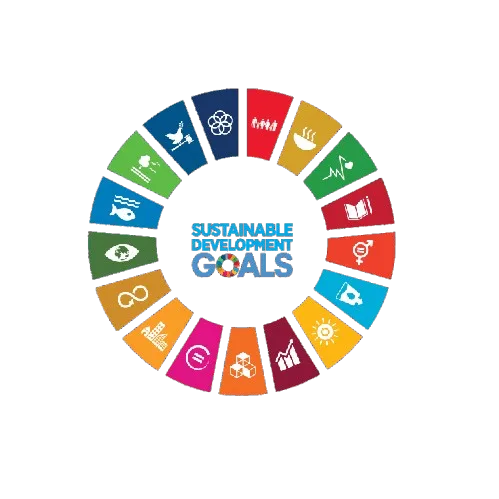
SDG Wheel

Aligned with

UN Sustainable Development Goals

This conference contributes to global sustainability by aligning its research discussions and academic sessions with key United Nations Sustainable Development Goals. It fosters knowledge exchange, innovation, and collaborative engagement.

SDG 4 SDG 4 — Quality Education
SDG 5 SDG 5 — Gender Equality
SDG 9 SDG 9 — Industry, Innovation and Infrastructure
SDG 10 SDG 10 — Reduced Inequalities
SDG 11 SDG 11 — Sustainable Cities and Communities
SDG 13 SDG 13 — Climate Action
SDG 15 SDG 15 — Life on Land
SDG 16 SDG 16 — Peace, Justice and Strong Institutions
SDG 17 SDG 17 — Partnerships for the Goals
Explore

All Session Tracks

Track 01
Narrative Structures in Contemporary Literature

This track explores the evolving narrative techniques employed by contemporary authors in English literature. It aims to analyze how these structures reflect societal changes and cultural dynamics.

Track 02
Linguistic Diversity and Identity

This session focuses on the relationship between language use and identity formation in various social contexts. It invites papers that examine how linguistic choices shape personal and group identities.

Track 03
Postcolonial Perspectives in Literature

This track investigates the themes and narratives emerging from postcolonial literature. It seeks to understand how these works challenge colonial legacies and offer new insights into cultural identity.

Track 04
The Role of Gender in Literary Discourse

This session examines how gender influences literary production and interpretation. It encourages discussions on feminist literary criticism and the representation of gender in various texts.

Track 05
Language and Power Dynamics

This track analyzes the interplay between language and power in social interactions. It aims to uncover how linguistic practices can reinforce or challenge social hierarchies.

Track 06
Cultural Narratives and Memory

This session explores the role of literature in shaping cultural memory and collective narratives. It invites contributions that discuss how stories preserve and transform cultural identities.

Track 07
Translation Studies and Cross-Cultural Communication

This track focuses on the challenges and methodologies of translation in the context of English literature. It seeks to explore how translation facilitates or hinders cross-cultural understanding.

Track 08
Digital Humanities and Literary Studies

This session examines the impact of digital technologies on the study and dissemination of literature. It invites discussions on how digital tools can enhance literary analysis and accessibility.

Track 09
Sociolinguistics and Language Variation

This track investigates the social factors that influence language variation and change. It aims to understand how sociolinguistic phenomena reflect broader social issues.

Track 10
Ecocriticism and Literature

This session explores the intersection of literature and environmental studies through the lens of ecocriticism. It aims to analyze how literary texts engage with ecological themes and issues.

Track 11
The Evolution of English Language

This track examines the historical and contemporary changes in the English language. It invites papers that explore linguistic evolution and its implications for communication and identity.