International Conference on Special Needs Education, Teaching and Different Approaches - (ICSNETDA-27)


18th - 19th February, 2027 | Amsterdam, Netherlands

Multi-format (In-person/Virtual)

Registration Options

Explore conference registration categories designed for every mode of participation.
Important Dates

Pre-registration Deadline

19th January, 2027

Paper Submission Deadline

24th January, 2027

Last Date Of Registration

3rd February, 2027

Date Of Conference

18th - 19th February, 2027

Downloads

Conference Session Tracks

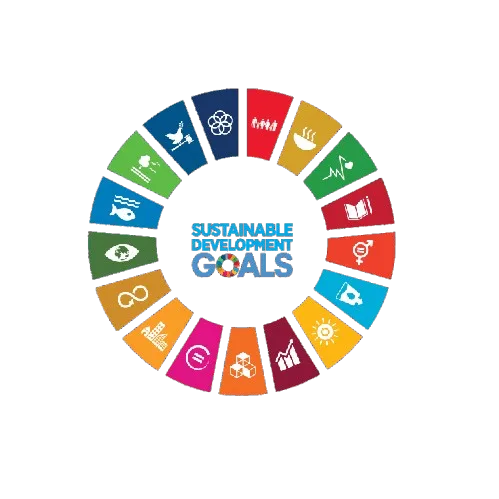
SDG Wheel

Aligned with

UN Sustainable Development Goals

This conference contributes to global sustainability by aligning its research discussions and academic sessions with key United Nations Sustainable Development Goals. It fosters knowledge exchange, innovation, and collaborative engagement.

SDG 3 SDG 3 — Good Health and Well-being
SDG 4 SDG 4 — Quality Education
SDG 8 SDG 8 — Decent Work and Economic Growth
SDG 9 SDG 9 — Industry, Innovation and Infrastructure
SDG 10 SDG 10 — Reduced Inequalities
SDG 16 SDG 16 — Peace, Justice and Strong Institutions
Explore

All Session Tracks

Track 01
Innovative Approaches in Special Needs Education

This track focuses on the latest methodologies and pedagogical strategies tailored for special needs education. Participants will explore innovative teaching techniques that address diverse learning requirements.

Track 02
Educational Technology in Special Education

This session examines the integration of educational technology in special needs classrooms. Discussions will highlight tools and resources that enhance learning experiences for students with disabilities.

Track 03
Vocational Education for Students with Disabilities

This track delves into vocational education programs designed for individuals with special needs. It aims to identify effective strategies for preparing students for successful employment opportunities.

Track 04
Policies and Regulations in Special Education

This session addresses current policies and regulations impacting special education practices. Participants will engage in discussions about the implications of these policies on educational outcomes.

Track 05
Effective Instructional Strategies for Diverse Learners

This track focuses on instructional strategies that cater to the individual differences and needs of students with disabilities. Emphasis will be placed on evidence-based practices that promote effective learning.

Track 06
Special Schools: Models and Best Practices

This session explores various models of special schools and their approaches to education. Participants will share best practices that contribute to the success of students with special educational needs.

Track 07
Child Development and Learning Disabilities

This track investigates the relationship between child development and learning disabilities. Discussions will focus on identifying early signs and implementing interventions to support affected children.

Track 08
Communication Disorders in Educational Settings

This session addresses the challenges posed by communication disorders in the classroom. Participants will explore strategies to facilitate effective communication and learning for affected students.

Track 09
Emotional and Behavioral Disorders in Education

This track examines the impact of emotional and behavioral disorders on learning outcomes. Participants will discuss intervention strategies that promote positive behavior and academic success.

Track 10
Physical Disabilities and Inclusive Education

This session focuses on the challenges and solutions related to physical disabilities in educational environments. Discussions will highlight inclusive practices that ensure equitable access to education.

Track 11
Specialized Teaching Techniques for Individual Needs

This track emphasizes specialized teaching techniques tailored to meet the individual needs of students with disabilities. Participants will share insights and experiences that enhance instructional effectiveness.

Empowering Research Continuity

At Research Leagues, academic engagement continues without interruption despite the current global situation. Researchers can present and publish through online and integrated participation pathways.