International Conference on Environmental Bioremediation, Biotransformation, Biotechnology and Biosustainability - (ICEBBBB-27)


11th - 12th January, 2027 | Athens, Greece

Multi-format (In-person/Virtual)

Registration Options

Explore conference registration categories designed for every mode of participation.
Important Dates

Pre-registration Deadline

12th December, 2026

Paper Submission Deadline

17th December, 2026

Last Date Of Registration

27th December, 2026

Date Of Conference

11th - 12th January, 2027

Downloads

Conference Session Tracks

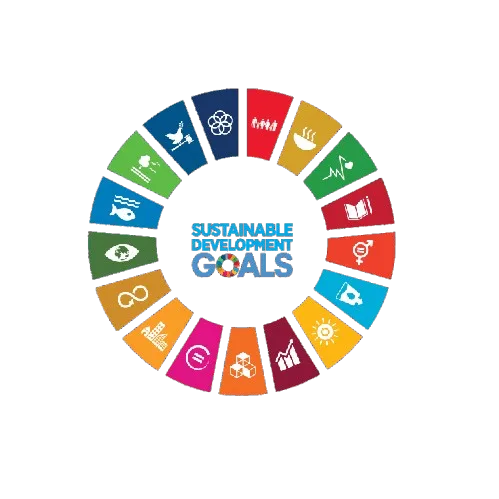
SDG Wheel

Aligned with

UN Sustainable Development Goals

This conference contributes to global sustainability by aligning its research discussions and academic sessions with key United Nations Sustainable Development Goals. It fosters knowledge exchange, innovation, and collaborative engagement.

SDG 2 SDG 2 — Zero Hunger
SDG 3 SDG 3 — Good Health and Well-being
SDG 6 SDG 6 — Clean Water and Sanitation
SDG 7 SDG 7 — Affordable and Clean Energy
SDG 9 SDG 9 — Industry, Innovation and Infrastructure
SDG 11 SDG 11 — Sustainable Cities and Communities
SDG 12 SDG 12 — Responsible Consumption and Production
SDG 13 SDG 13 — Climate Action
SDG 15 SDG 15 — Life on Land
Explore

All Session Tracks

Track 01
Innovative Bioremediation Technologies

This track focuses on the latest advancements in environmental bioremediation technologies. Participants will explore novel methods and applications for the remediation of contaminated soil and water sources.

Track 02
Bioremediation Engineering Practices

This session will delve into engineering principles applied to bioremediation processes. Discussions will include design, optimization, and scaling of bioremediation systems for effective environmental cleanup.

Track 03
Biodegradation Mechanisms and Pathways

This track examines the biochemical pathways involved in the biodegradation of various pollutants. Researchers will present findings on microbial and enzymatic processes that facilitate the breakdown of hazardous substances.

Track 04
Phytoremediation Strategies and Applications

This session highlights the use of plants in the remediation of contaminated environments. Topics will cover plant selection, growth conditions, and the effectiveness of phytoremediation in diverse ecosystems.

Track 05
Mycoremediation: Fungal Solutions for Pollution

This track focuses on the role of fungi in bioremediation processes. Participants will explore the potential of mycoremediation for degrading pollutants and restoring contaminated sites.

Track 06
Bioleaching and Heavy Metal Recovery

This session will discuss bioleaching techniques for the recovery of heavy metals from waste materials. Presentations will cover microbial interactions and the efficiency of different bioleaching methods.

Track 07
Genetic Engineering in Bioremediation

This track explores the application of genetic engineering to enhance bioremediation capabilities. Researchers will discuss engineered microorganisms and their potential for improved pollutant degradation.

Track 08
In-situ vs Ex-situ Bioremediation Approaches

This session will compare in-situ and ex-situ bioremediation techniques. Participants will analyze case studies to evaluate the effectiveness and feasibility of each approach in various environmental contexts.

Track 09
Bioremediation of Agricultural Contaminants

This track focuses on the challenges and solutions related to bioremediation of agricultural pollutants, including pesticides and fertilizers. Discussions will highlight innovative strategies for mitigating agricultural runoff.

Track 10
Energy Biotransformation and Sustainability

This session will explore the intersection of bioremediation and energy production through biotransformation processes. Participants will discuss sustainable practices that harness biological systems for energy recovery.

Track 11
Solid Waste Management through Bioremediation

This track addresses the role of bioremediation in solid waste management strategies. Presentations will cover techniques for treating organic waste and reducing environmental impact through biological processes.

Empowering Research Continuity

At Research Leagues, academic engagement continues without interruption despite the current global situation. Researchers can present and publish through online and integrated participation pathways.