International Conference on Peacebuilding and Mediation Practices - (ICPEMP-26)


12th - 13th November, 2026 | Sintra, Portugal

Multi-format (In-person/Virtual)

Registration Options

Explore conference registration categories designed for every mode of participation.
Important Dates

Pre-registration Deadline

13th October, 2026

Paper Submission Deadline

18th October, 2026

Last Date Of Registration

28th October, 2026

Date Of Conference

12th - 13th November, 2026

Downloads

Conference Session Tracks

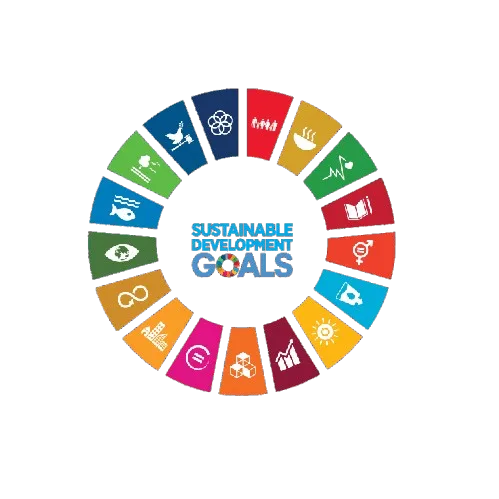
SDG Wheel

Aligned with

UN Sustainable Development Goals

This conference contributes to global sustainability by aligning its research discussions and academic sessions with key United Nations Sustainable Development Goals. It fosters knowledge exchange, innovation, and collaborative engagement.

SDG 4 SDG 4 — Quality Education
SDG 5 SDG 5 — Gender Equality
SDG 10 SDG 10 — Reduced Inequalities
SDG 16 SDG 16 — Peace, Justice and Strong Institutions
SDG 17 SDG 17 — Partnerships for the Goals
Explore

All Session Tracks

Track 01
Historical Perspectives on Peace Studies

This track explores the evolution of peace studies through historical lenses, examining key events and figures that have shaped the field. Participants will analyze how historical contexts influence contemporary peacebuilding practices.

Track 02
Conflict Resolution Mechanisms in Historical Context

This session focuses on the various conflict resolution mechanisms employed throughout history, assessing their effectiveness and relevance today. Scholars will discuss case studies that highlight successful and unsuccessful resolutions.

Track 03
Societal Transformations and Peacebuilding

This track investigates how societal transformations impact peacebuilding efforts across different historical periods. Participants will explore the interplay between social change and the establishment of lasting peace.

Track 04
Politics and Governance in Peace Processes

This session examines the role of political structures and governance in facilitating or hindering peace processes. Discussions will include historical case studies that illustrate the complexities of political engagement in conflict resolution.

Track 05
Globalization and Its Impact on Conflict Dynamics

This track analyzes the effects of globalization on conflict dynamics and peacebuilding strategies throughout history. Scholars will evaluate how global interconnectedness has transformed local conflicts and resolutions.

Track 06
Justice and Human Rights in Historical Contexts

This session delves into the historical development of justice and human rights frameworks in relation to peacebuilding. Participants will discuss how historical injustices shape contemporary human rights discourse.

Track 07
Cultural Narratives and Peacebuilding

This track explores the role of cultural narratives in shaping peacebuilding efforts across different societies. Participants will analyze how historical narratives influence collective memory and conflict resolution.

Track 08
The Role of International Organizations in Peace Mediation

This session focuses on the historical involvement of international organizations in peace mediation efforts. Scholars will assess the effectiveness and challenges faced by these organizations in various historical contexts.

Track 09
Indigenous Practices and Historical Peacebuilding

This track examines indigenous practices of conflict resolution and peacebuilding throughout history. Participants will discuss the significance of these practices in contemporary peace efforts and their historical roots.

Track 10
Women, Gender, and Peacebuilding History

This session highlights the historical contributions of women and gender perspectives to peacebuilding initiatives. Scholars will analyze how gender dynamics have influenced conflict resolution and peace processes.

Track 11
Lessons from Historical Conflicts for Modern Peacebuilding

This track seeks to draw lessons from historical conflicts to inform contemporary peacebuilding practices. Participants will engage in discussions about the relevance of historical insights in addressing current global challenges.