International Conference on Policy and Governance in Circular Supply Chains - (ICPGCSC-26)


24th - 25th November, 2026 | Kathmandu, Nepal

Multi-format (In-person/Virtual)

Registration Options

Explore conference registration categories designed for every mode of participation.
Important Dates

Pre-registration Deadline

25th October, 2026

Paper Submission Deadline

30th October, 2026

Last Date Of Registration

9th November, 2026

Date Of Conference

24th - 25th November, 2026

Downloads

Conference Session Tracks

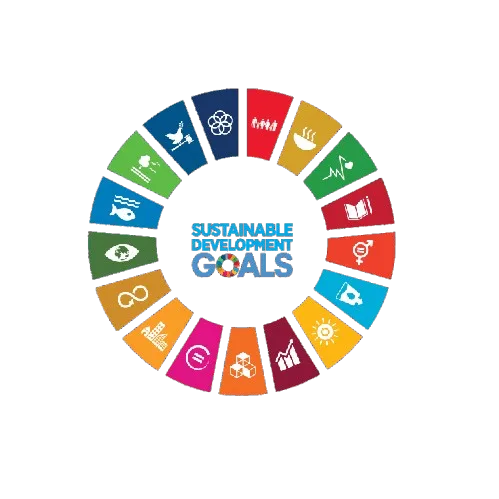
SDG Wheel

Aligned with

UN Sustainable Development Goals

This conference contributes to global sustainability by aligning its research discussions and academic sessions with key United Nations Sustainable Development Goals. It fosters knowledge exchange, innovation, and collaborative engagement.

SDG 8 SDG 8 — Decent Work and Economic Growth
SDG 9 SDG 9 — Industry, Innovation and Infrastructure
SDG 10 SDG 10 — Reduced Inequalities
SDG 11 SDG 11 — Sustainable Cities and Communities
SDG 12 SDG 12 — Responsible Consumption and Production
SDG 13 SDG 13 — Climate Action
SDG 16 SDG 16 — Peace, Justice and Strong Institutions
SDG 17 SDG 17 — Partnerships for the Goals
Explore

All Session Tracks

Track 01
Innovative Policies for Circular Supply Chains

This track explores the development and implementation of innovative policies that facilitate the transition to circular supply chains. It aims to identify best practices and regulatory frameworks that promote sustainable business models.

Track 02
Governance Mechanisms in Circular Economy Practices

This session focuses on governance structures that support the effective management of circular economy initiatives. Participants will discuss the role of stakeholder engagement and compliance in enhancing governance outcomes.

Track 03
Sustainable Practices in Logistics Management

This track examines sustainable logistics practices that contribute to the circular economy. It will highlight case studies and strategies that optimize resource use while minimizing environmental impact.

Track 04
Regulatory Frameworks for Circular Supply Chains

This session addresses the regulatory challenges and opportunities associated with circular supply chains. Experts will analyze existing frameworks and propose enhancements to support sustainable practices.

Track 05
Stakeholder Engagement in Circular Economy Strategies

This track emphasizes the importance of stakeholder engagement in the development of circular economy strategies. Discussions will focus on collaborative approaches that drive innovation and sustainability.

Track 06
Sustainability Reporting and Circular Supply Chains

This session explores the role of sustainability reporting in promoting transparency and accountability within circular supply chains. Participants will share insights on best practices for effective reporting.

Track 07
Green Operations and Supply Chain Optimization

This track investigates the integration of green operations into supply chain management. It will cover strategies for optimizing supply chains while adhering to environmental standards.

Track 08
Ethical Sourcing in Circular Supply Chains

This session focuses on the principles of ethical sourcing within the context of circular supply chains. Participants will discuss the implications of ethical practices on sustainability and compliance.

Track 09
Industry Standards for Circular Economy Implementation

This track examines the development and adoption of industry standards that support the implementation of circular economy practices. Experts will discuss the impact of these standards on business operations.

Track 10
Government Policy and Circular Supply Chain Development

This session explores the role of government policy in fostering the growth of circular supply chains. Discussions will focus on policy frameworks that encourage sustainable business practices.

Track 11
Environmental Policy and Business Strategy in Circular Economies

This track investigates the intersection of environmental policy and business strategy in the context of circular economies. Participants will analyze how policies can shape strategic decisions for sustainability.