International Conference on Advanced Nanomaterials for Renewable Energy Systems - (ICANFRES-26)


4th - 5th November, 2026 | Fes, Morocco

Multi-format (In-person/Virtual)

Registration Options

Explore conference registration categories designed for every mode of participation.
Important Dates

Pre-registration Deadline

5th October, 2026

Paper Submission Deadline

10th October, 2026

Last Date Of Registration

20th October, 2026

Date Of Conference

4th - 5th November, 2026

Downloads

Conference Session Tracks

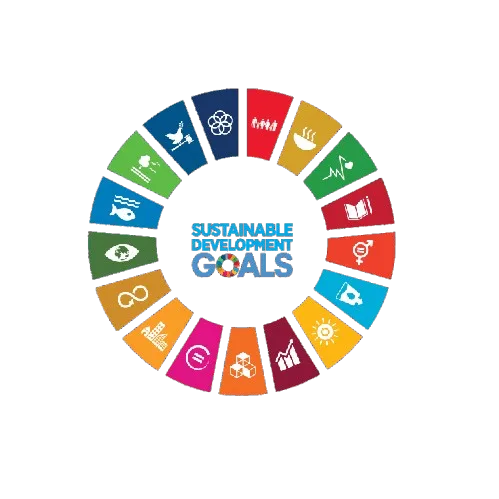
SDG Wheel

Aligned with

UN Sustainable Development Goals

This conference contributes to global sustainability by aligning its research discussions and academic sessions with key United Nations Sustainable Development Goals. It fosters knowledge exchange, innovation, and collaborative engagement.

SDG 7 SDG 7 — Affordable and Clean Energy
SDG 9 SDG 9 — Industry, Innovation and Infrastructure
SDG 12 SDG 12 — Responsible Consumption and Production
SDG 13 SDG 13 — Climate Action
Explore

All Session Tracks

Track 01
Nanotechnology Innovations in Renewable Energy Systems

This track focuses on the latest advancements in nanotechnology that enhance the efficiency and effectiveness of renewable energy systems. Researchers are invited to present novel nanomaterials and their applications in energy generation and storage.

Track 02
Smart Materials for Sustainable Energy Solutions

This session explores the development and application of smart materials in renewable energy technologies. Contributions should highlight how these materials can adapt to environmental changes to optimize energy performance.

Track 03
Energy Harvesting Techniques Utilizing Nanomaterials

This track aims to discuss innovative energy harvesting methods that leverage nanomaterials for improved energy conversion. Papers should address the integration of nanotechnology in harvesting energy from various sources.

Track 04
Aerospace Applications of Advanced Nanomaterials

This session invites contributions that examine the role of advanced nanomaterials in aerospace engineering. Topics may include lightweight structures, thermal protection systems, and propulsion technologies enhanced by nanotechnology.

Track 05
System Integration of Nanotechnology in Energy Conversion

This track focuses on the challenges and solutions related to the integration of nanotechnology in energy conversion systems. Researchers are encouraged to present case studies and methodologies that demonstrate effective system design.

Track 06
Nanomaterials for Energy Storage Solutions

This session seeks to explore the use of nanomaterials in the development of advanced energy storage systems. Contributions should address performance improvements and innovative designs that enhance storage capacity and efficiency.

Track 07
Thermal Protection Systems Utilizing Nanotechnology

This track examines the application of nanotechnology in thermal protection systems for aerospace and energy applications. Papers should focus on material properties, performance metrics, and innovative design approaches.

Track 08
Sustainable Energy Systems: Challenges and Innovations

This session invites discussions on the current challenges facing sustainable energy systems and the innovative solutions being developed. Contributions should highlight interdisciplinary approaches that incorporate nanotechnology and smart materials.

Track 09
Propulsion Systems Enhanced by Nanomaterials

This track focuses on the integration of advanced nanomaterials in propulsion systems for aerospace applications. Researchers are encouraged to present findings on performance enhancements and material innovations.

Track 10
Materials Science Advances in Nanotechnology for Energy

This session aims to showcase recent advancements in materials science that contribute to the field of nanotechnology for energy applications. Papers should discuss the synthesis, characterization, and application of new nanomaterials.

Track 11
Future Directions in Nanotechnology and Renewable Energy

This track explores emerging trends and future directions in the intersection of nanotechnology and renewable energy. Contributions should provide insights into potential breakthroughs and their implications for sustainable development.