International Conference on Communication, Media, and Gender Studies - (ICCMAGS-26)
10th - 11th August, 2026 | Abuja, Nigeria
11th July, 2026
21st July, 2026
26th July, 2026
10th - 11th August, 2026
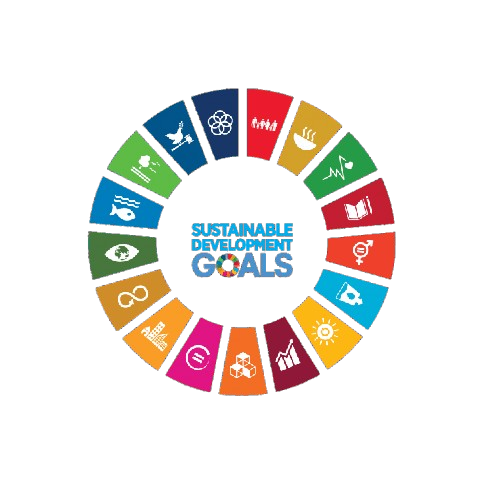
This conference contributes to global sustainability by aligning its research discussions and academic sessions with key United Nations Sustainable Development Goals. It fosters knowledge exchange, innovation, and collaborative engagement.
 SDG 4 — Quality Education
 SDG 5 — Gender Equality
 SDG 8 — Decent Work and Economic Growth
 SDG 9 — Industry, Innovation and Infrastructure
 SDG 10 — Reduced Inequalities
 SDG 11 — Sustainable Cities and Communities
 SDG 16 — Peace, Justice and Strong Institutions
 SDG 17 — Partnerships for the Goals
This track explores the historical and contemporary developments in communication theory, emphasizing interdisciplinary approaches. Participants will analyze how various theoretical frameworks shape our understanding of media and communication practices.
This session focuses on the importance of media literacy as a critical skill in navigating the complexities of digital media. Presentations will examine strategies for enhancing media literacy among diverse populations.
This track investigates the portrayal of gender in various media forms, including film, television, and digital platforms. Discussions will center on the implications of these representations for societal norms and individual identity.
This session addresses the ethical considerations that arise in media production and dissemination. Scholars will present case studies and frameworks for understanding ethical dilemmas in journalism and broadcasting.
This track examines the role of media in shaping public discourse and influencing societal attitudes. Participants will explore the dynamics between media narratives and public opinion across various contexts.
This session focuses on emerging trends and best practices in media management within the rapidly evolving landscape of communication. Discussions will highlight innovative strategies for effective media organization and leadership.
This track investigates the strategies employed by individuals and organizations to communicate effectively on social media platforms. Presentations will analyze the impact of these strategies on audience engagement and brand perception.
This session explores the intersection of mass communication and cultural studies, focusing on how media influences cultural identities and practices. Participants will discuss the reciprocal relationship between media content and cultural dynamics.
This track addresses the complexities of media policy and regulation in the context of globalization and technological advancement. Scholars will examine the implications of policy decisions on media freedom and public access.
This session focuses on the challenges and opportunities faced by journalism in the digital era. Presentations will explore the evolving role of journalists and the impact of digital technologies on news production and consumption.
This track presents innovative methodologies for conducting research in media studies, emphasizing interdisciplinary approaches. Participants will share insights on qualitative and quantitative methods used to investigate media phenomena.