International Conference on Workers, Labor Movements, and Human Rights
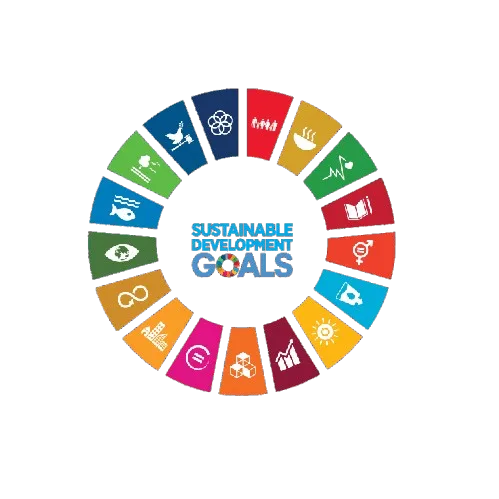
SDG-Aligned Research Themes
International Conference on Workers, Labor Movements, and Human Rights conference tracks support global knowledge exchange, innovation, and sustainable development priorities across diverse disciplines.


This track explores the evolution of labor movements across different historical contexts and their impact on human rights. It aims to analyze key events and figures that have shaped workers' rights and collective action.
This session focuses on the role of trade unions in advocating for human rights within the workplace. It examines case studies where unions have successfully influenced labor policies and protections.
This track investigates the effects of globalization on labor rights and the challenges faced by workers in a rapidly changing economic landscape. Discussions will include transnational labor movements and international solidarity.
This session delves into the legal instruments and frameworks that protect workers' rights globally. It will analyze the effectiveness of existing laws and propose reforms to enhance labor protections.
This track examines how various identities, including race, gender, and class, intersect within labor movements. It aims to highlight the diverse experiences of workers and the unique challenges they face.
This session explores the impact of technological advancements on labor rights and workers' conditions. It will discuss both the opportunities and threats posed by automation and digital platforms.
This track focuses on the involvement of youth in labor movements and their contributions to advocating for human rights. It aims to explore innovative strategies employed by young activists.
This session highlights the critical role of women in labor movements and their fight for equal rights. It will examine the barriers they face and the progress made towards gender equality in the workplace.
This track addresses various forms of human rights violations experienced by workers, including exploitation and discrimination. It aims to identify strategies for combating these issues effectively.
This session explores how cultural contexts influence labor rights and movements across different regions. It aims to foster a deeper understanding of local practices and beliefs surrounding work.
This track envisions the future of labor movements in the context of changing economic and social landscapes. It will discuss emerging trends and the potential for new forms of collective action.
