International Conference on Future Directions in Communication and Media Research
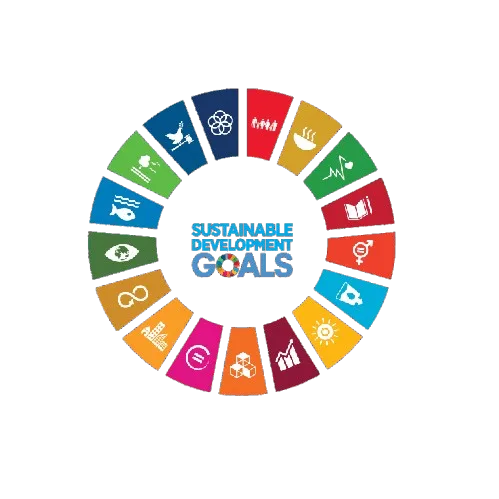
SDG-Aligned Research Themes
International Conference on Future Directions in Communication and Media Research conference tracks support global knowledge exchange, innovation, and sustainable development priorities across diverse disciplines.


This track explores the latest advancements in digital communication technologies and their implications for media practices. Researchers are invited to examine how these innovations reshape audience engagement and content dissemination.
Focusing on the evolving landscape of media studies, this track encourages submissions that analyze contemporary trends and their impact on communication paradigms. Topics may include the rise of new media formats and their societal implications.
This session addresses the complexities of cross-cultural communication in an increasingly interconnected world. Papers should investigate how cultural differences influence media consumption and communication strategies.
This track invites discussions on ethical considerations in media practices, including the responsibilities of media professionals in the digital age. Submissions should explore frameworks for ethical decision-making in communication.
This session focuses on the utilization of data analytics in media research, emphasizing methodologies that enhance understanding of audience behavior. Researchers are encouraged to present case studies and innovative analytical techniques.
This track examines the transformative role of social media platforms in shaping public discourse and communication practices. Papers should analyze the implications of social media on information dissemination and audience interaction.
This session explores emerging technologies that are set to redefine the media landscape, including artificial intelligence and virtual reality. Researchers are invited to discuss potential future scenarios and their implications for communication.
This track addresses the challenges and opportunities presented by media policy and regulation in the context of rapid technological change. Submissions should critically evaluate current policies and propose frameworks for future governance.
This session focuses on audience studies, emphasizing the importance of understanding audience engagement in the digital era. Researchers are encouraged to explore methodologies for measuring audience interaction and satisfaction.
This track invites papers that revisit traditional communication theories in light of new media developments. Submissions should explore how existing frameworks can be adapted or reinterpreted to address contemporary communication challenges.
This session highlights innovative strategies in media production and distribution that respond to changing audience needs. Researchers are encouraged to present case studies of successful media innovations and their implications for the industry.
